It All Started With Work — A New Life in “Modern” Japan
―― To begin, what brought you to Japan, and what were your first impressions?
“My move to Japan started with a job opportunity. I still remember my first impressions as clearly as if it were yesterday. Everything was organized, and the technology felt so advanced. I was overwhelmed by how modern and impressive the country was—the whole landscape felt almost futuristic to me. I remember thinking, ‘This is where our family’s new story begins,’ and feeling both excited and determined.”
―― Tokyo has many different neighborhoods. What made you choose the Seibu Line area?
“It was actually a very simple reason—my husband’s workplace was near Musashiseki Station on the Seibu Line. Thinking about work–life balance, it just naturally became the center of our daily life.
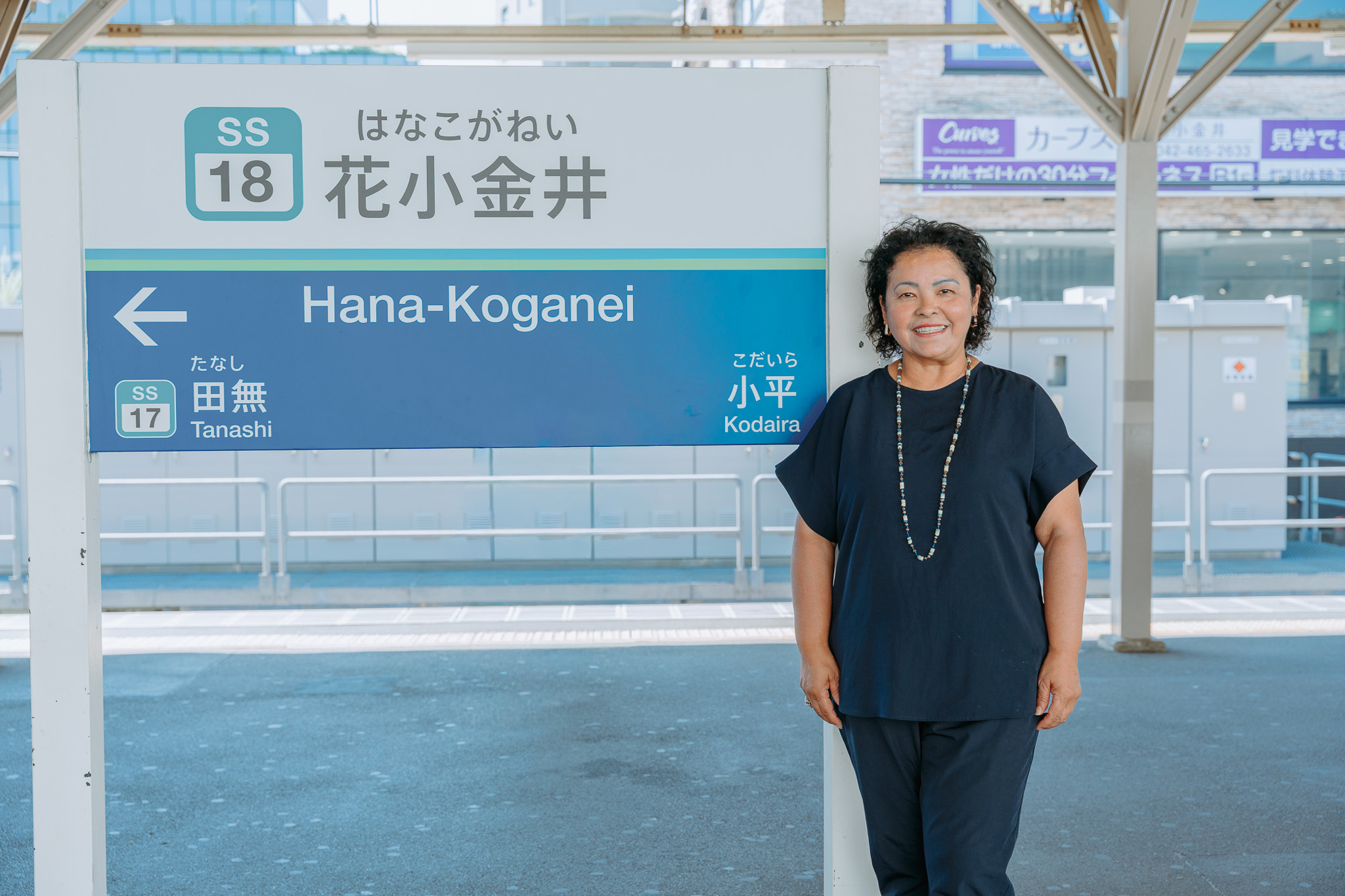
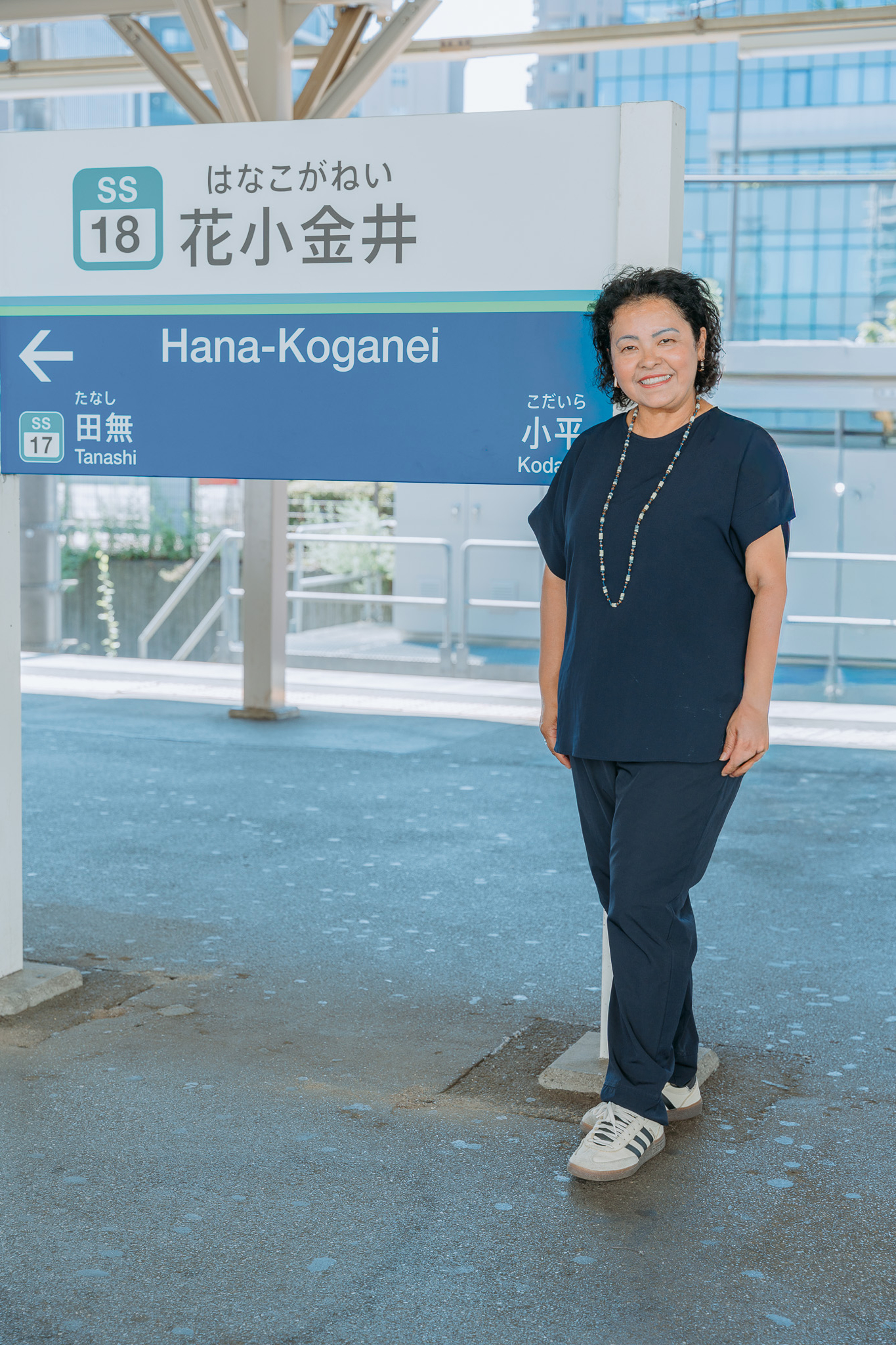
We first lived near Seibu-Yagisawa Station, and before we knew it, we had been there for 22 years. Even when our children grew up and it was time to look for a new home, we never really considered leaving the area we’d grown so used to. That’s how we ended up finding our current place in Hanakoganei. In the end, the Seibu Line has been part of our life the whole time.” (laughs)
Friends Who Helped Me Navigate Parenting in Japan
―― While living in Japan with your family, were there any particular challenges you faced?
“Thankfully, I don’t really remember facing anything too serious. We always tried to follow the idea of ‘When in Rome, do as the Romans do,’ and made an effort to learn and adapt to Japanese culture. That mindset helped us a lot.
Of course, there were moments of confusion in the beginning— especially when our children were still little and we didn’t understand the language well. There were times when I felt genuinely anxious. What truly saved us were the Japanese friends who lived nearby.
‘Where’s a good pediatrician around here?’
‘Where can I buy the school supplies my child needs?’ They treated even these small questions as if they were their own concerns and helped us so kindly. Without their support, those early years would have been much harder. I’m still deeply grateful for them.”
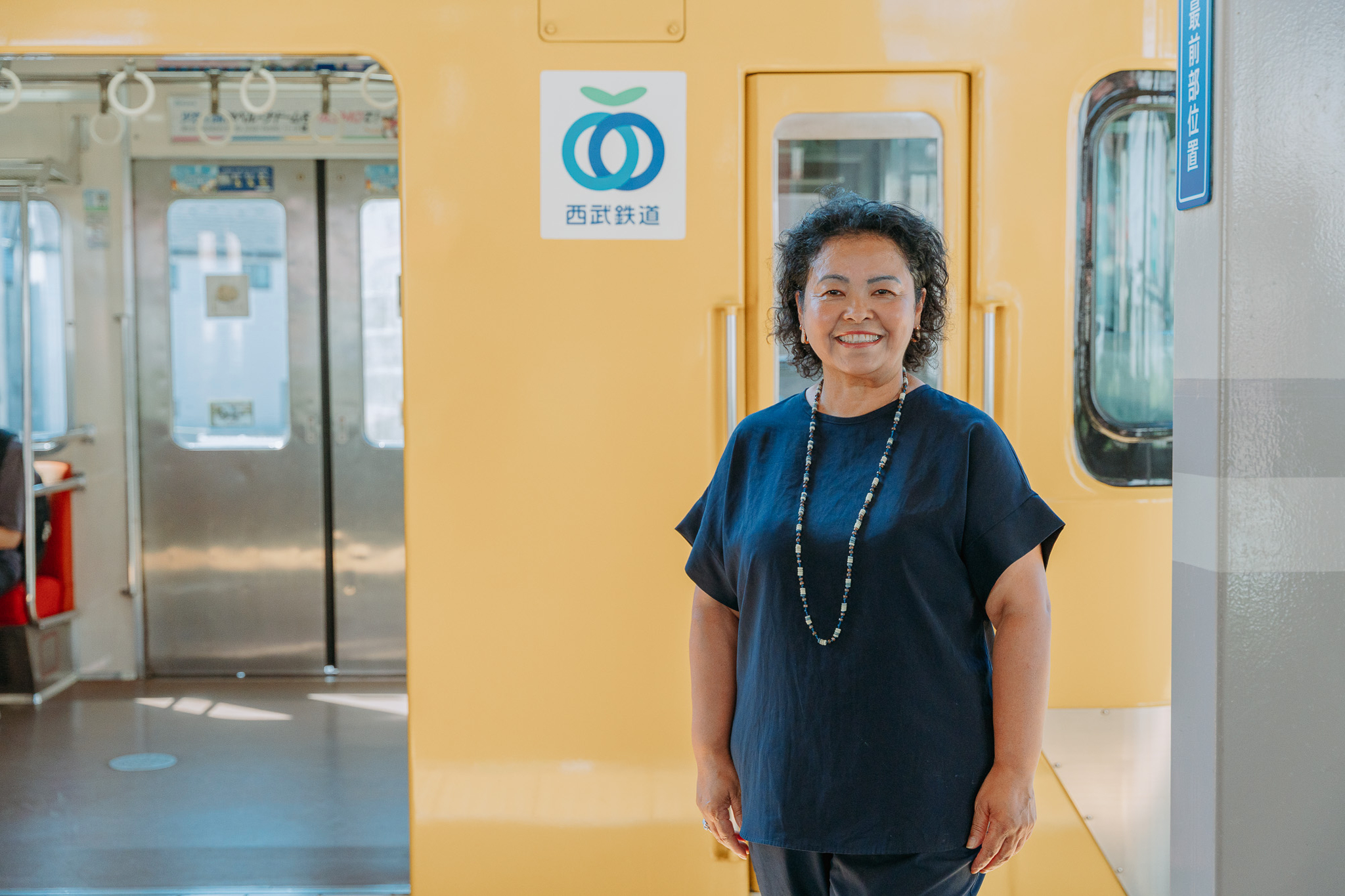
From “Difficult” to “Eye-Opening”: How We Navigated School Life Together
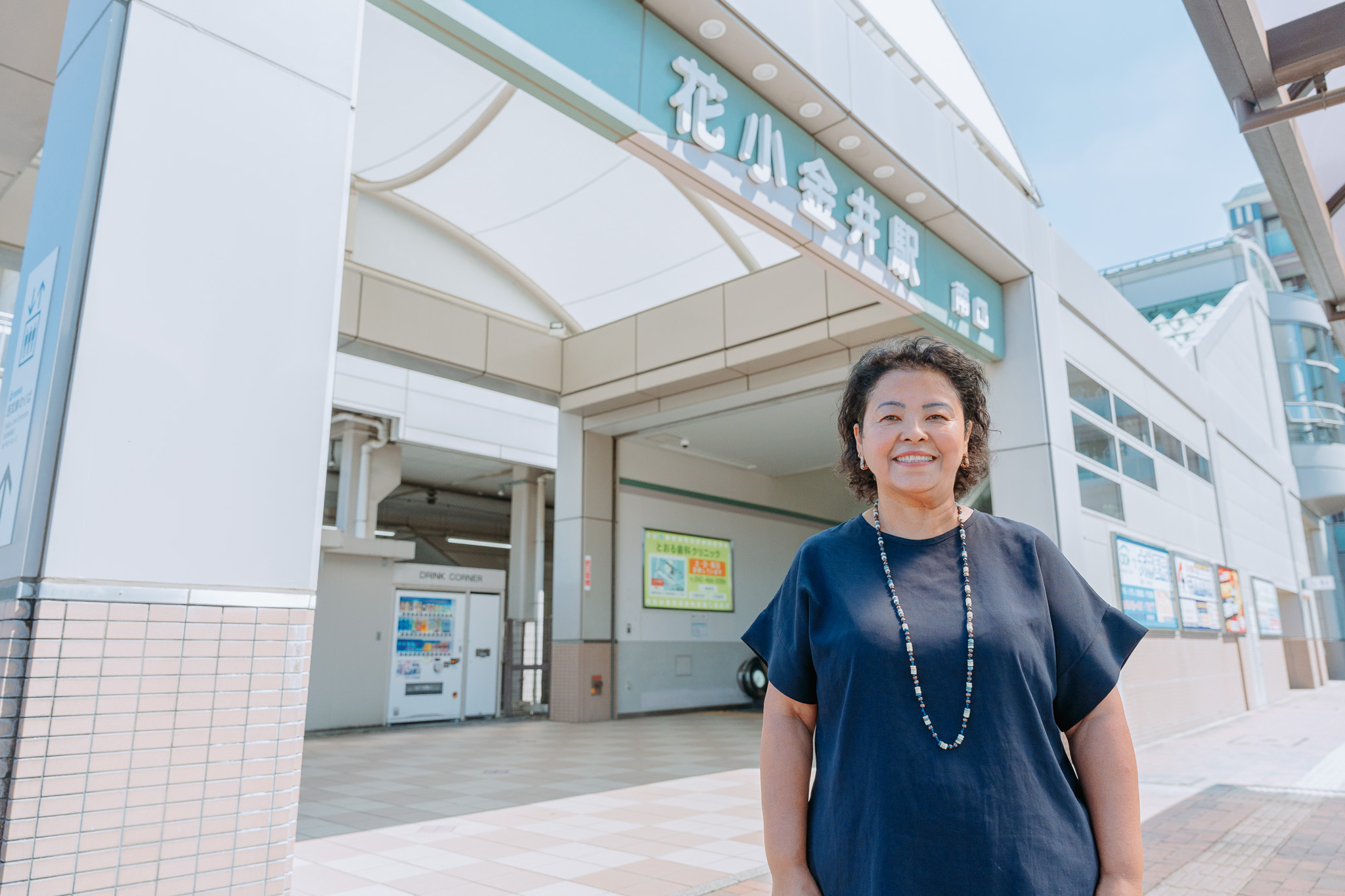
―― What was it like raising children in Japan compared to your home country?
“To be honest, at first I found it quite challenging. The PTA activities, preparing lunch boxes every day, and the very detailed list of required school supplies—all of it was completely different from the system in my home country.
But while I was busy worrying, my children were incredibly quick, curious, and motivated. They adapted to their new environment in no time—learning Japanese, making friends, and genuinely enjoying their school life here. Watching them thrive like that encouraged me to keep going as well.”
―― How did you communicate with the school and other parents?
“I made a conscious effort to stay involved above all else. I always attended school events like open days and sports festivals, and I joined parent meetings whenever I could. If there was something I didn’t understand, I tried not to hesitate—I would simply ask the teachers or other parents.
I think those small, steady efforts are what helped build trust. Even if my Japanese wasn’t perfect, showing that I wanted to be part of the school community and work together made communication with everyone much smoother.”
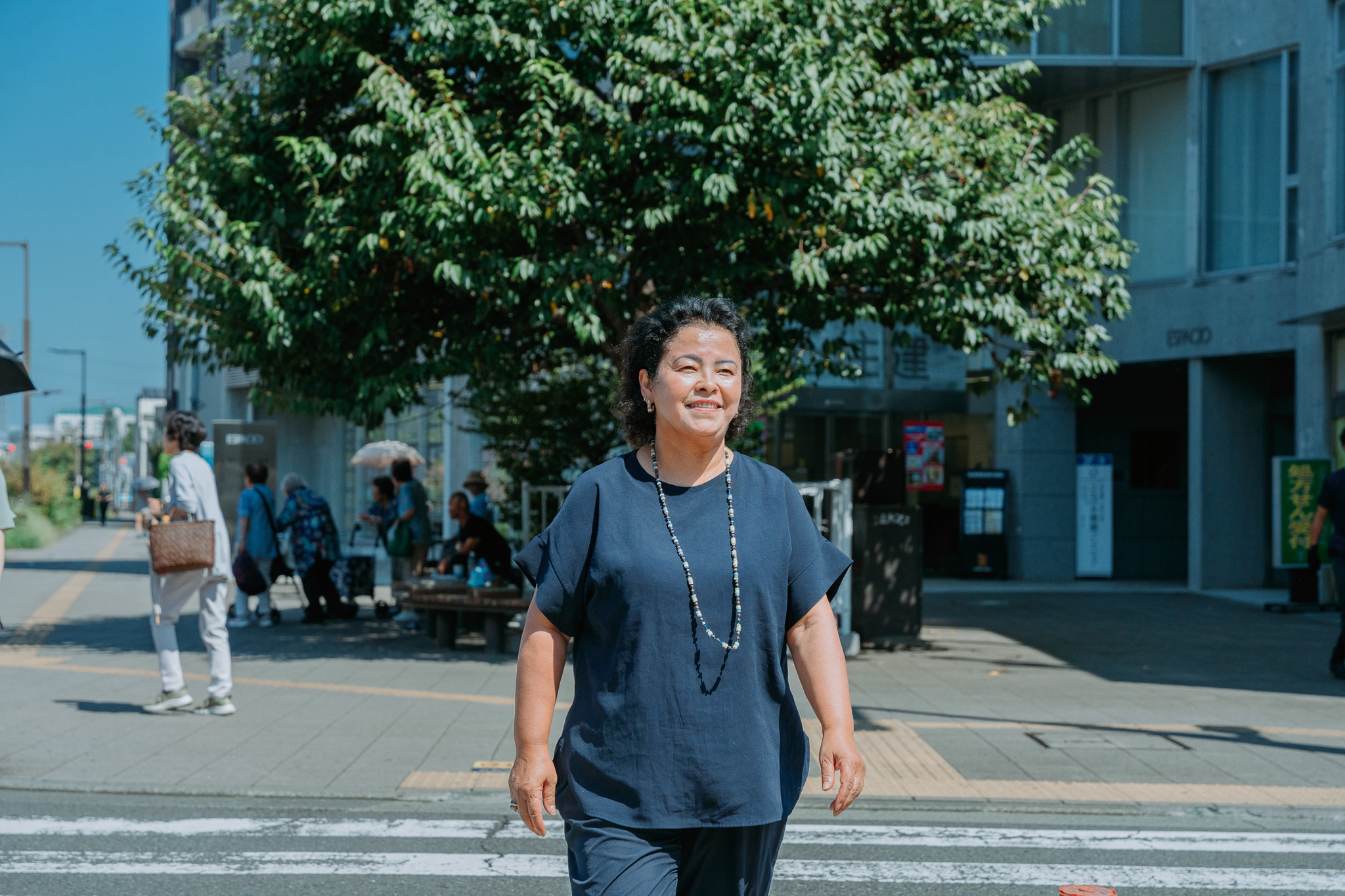
To All Foreign Parents Raising Children in Japan
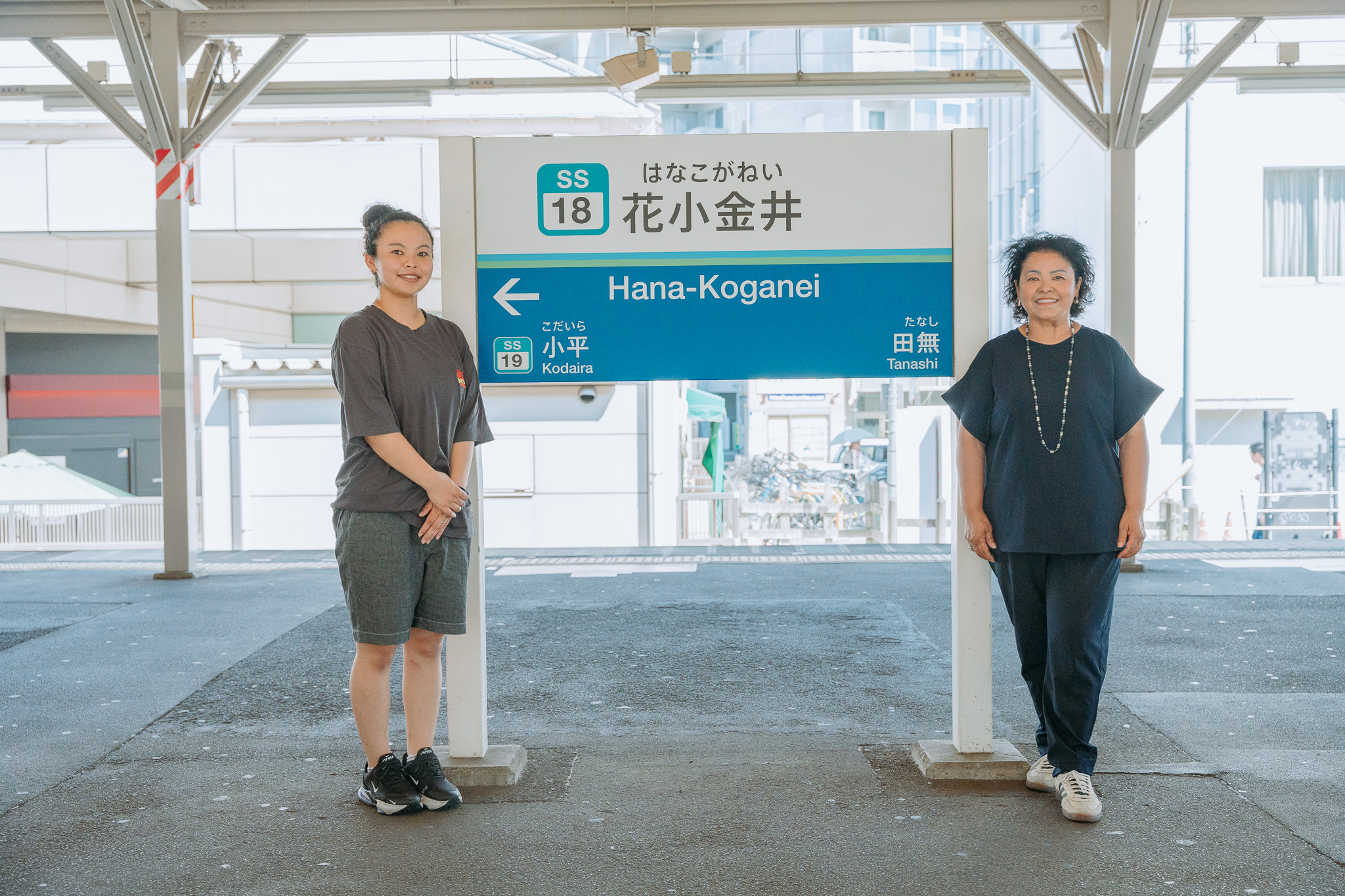
“In my view, the most important thing is to connect with the school, the local community, and other parents as much as you can. And to be part of that circle, you need to take a little step of courage and try using Japanese.
Your Japanese doesn’t have to be perfect. What matters most is the willingness to communicate. If you take the initiative to get involved, people will welcome you with warmth.
Raising children in Japan is a unique and truly wonderful experience. I hope you and your children can enjoy every step of the journey together.”