“What kind of resolve does it take to build a foundation for your family from scratch in a new country? Where in Tokyo can you find a place that lets you have it all: work, parenting, and personal time?”
Life sometimes brings cruel, unexpected turns. The man we spoke with for this interview faced such a challenge in his mid-20s when his employer suddenly went bankrupt. nstead of giving up, he saw it as an opportunity for a “fresh start” to pursue his childhood dream of living in Japan and decided to move across the sea.
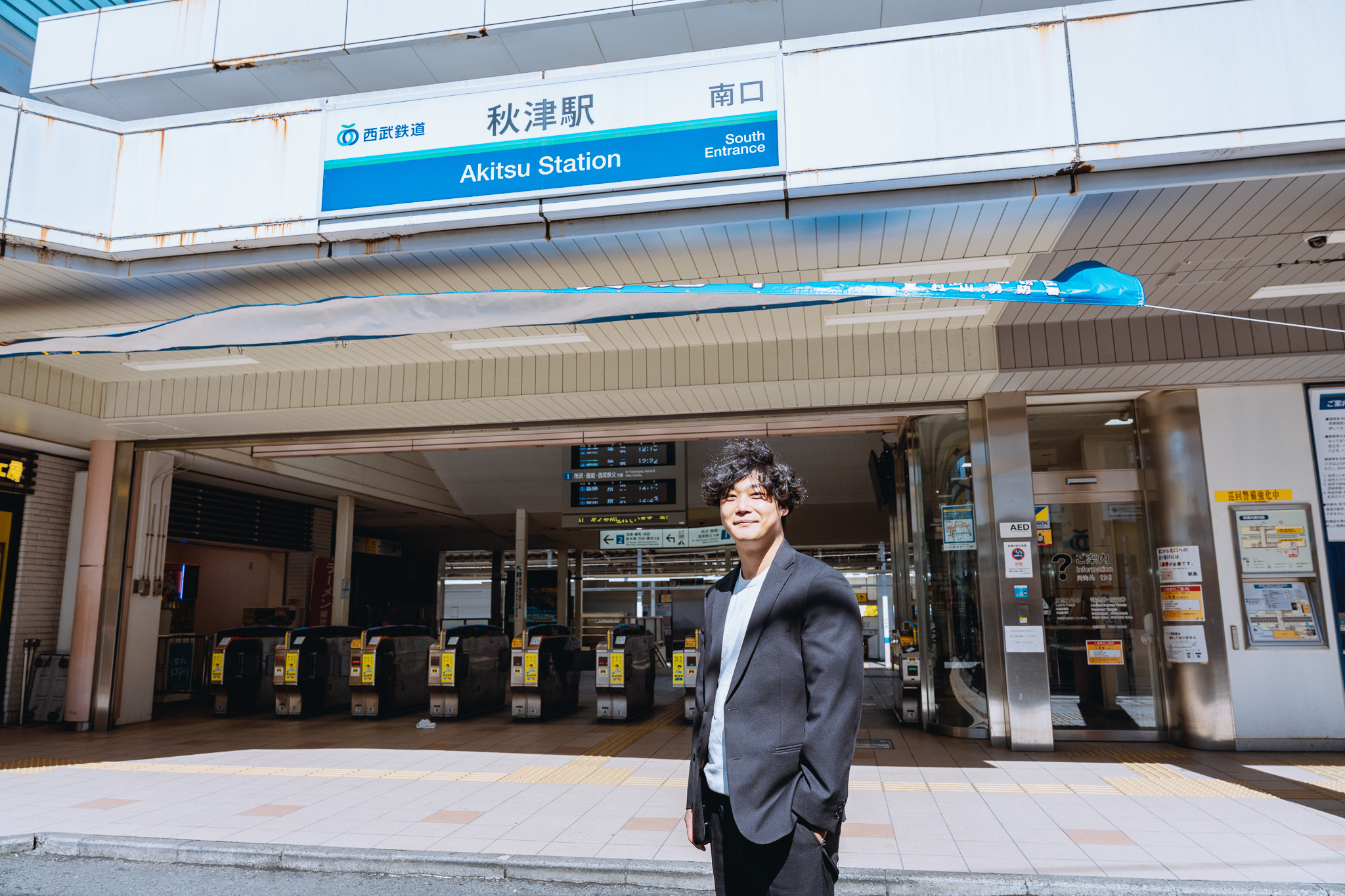
Today, he is settled in the Akitsu area—where the Seibu Ikebukuro Line and JR Musashino Line intersect—balancing a career and parenthood with his spouse. He shared with us his practical yet heart-filled perspective on building a life in Japan, rooted in his own experiences.
Finding My “Stage” in Japan After Hitting Rock Bottom
――To start, could you tell us about how you ended up moving to Japan and what was going through your mind at the time?
“In my mid-20s, the company I was working for went bankrupt, and suddenly I had no idea what I was going to do the next day. But then it hit me: ‘Maybe this is a sign from above—a chance to finally go to Japan, a place I’ve always admired.’ Since I had nothing left to lose, I didn’t hesitate to take the leap.
I’ll never forget the feeling of stepping onto Japanese soil for the first time. he streets were just as clean and orderly as I’d imagined. People were so polite and soft-spoken. nd above all, no matter where or what I ate, the food was incredible (laughs). On my very first day, my intuition told me, ‘This isn’t just a place to survive—it’s a place where I can safely rebuild my life.'”
A Gift of Trust: The Person Who Saved a Solo Traveler
―― It’s often said that for a foreign resident, finding a place to live is the biggest hurdle to starting a life in Japan. Did you struggle with that?
“Absolutely. Even now, it’s a massive challenge for a foreigner without a track record to rent a home. I was at a total loss, but then a Japanese friend I’d only recently met made an incredible offer.
He said, ‘I’ll be your guarantor.’
He believed in me enough to take responsibility for such an important contract. It was because of his selfless trust that I was finally able to reach the starting line of my life here. Without that meeting, I might not be where I am today. It was a moment that truly touched my soul—experiencing that kind of Japanese hospitality and warmth firsthand.”
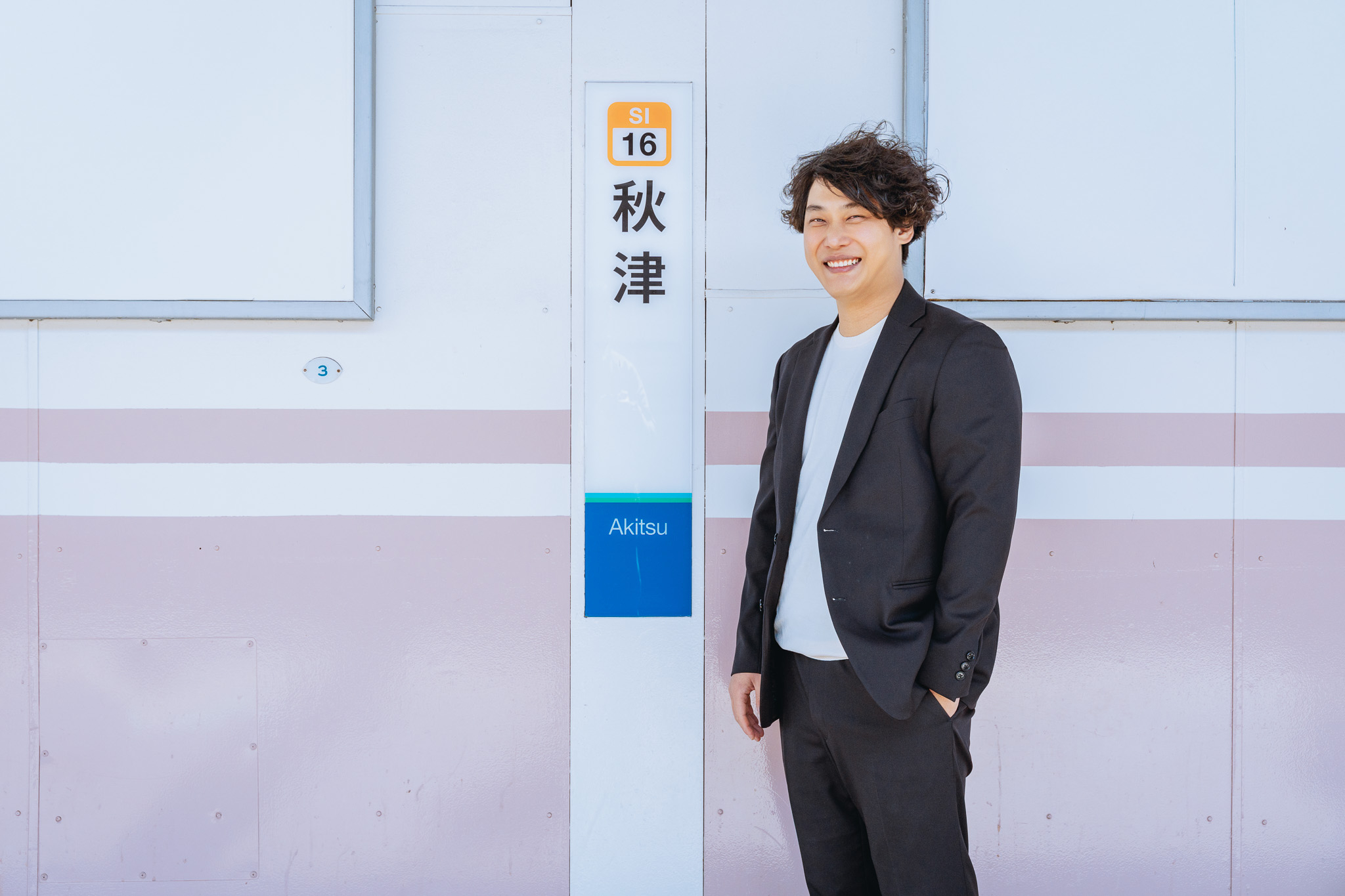
Why Akitsu? Strategic Access and the Ultimate Infrastructure
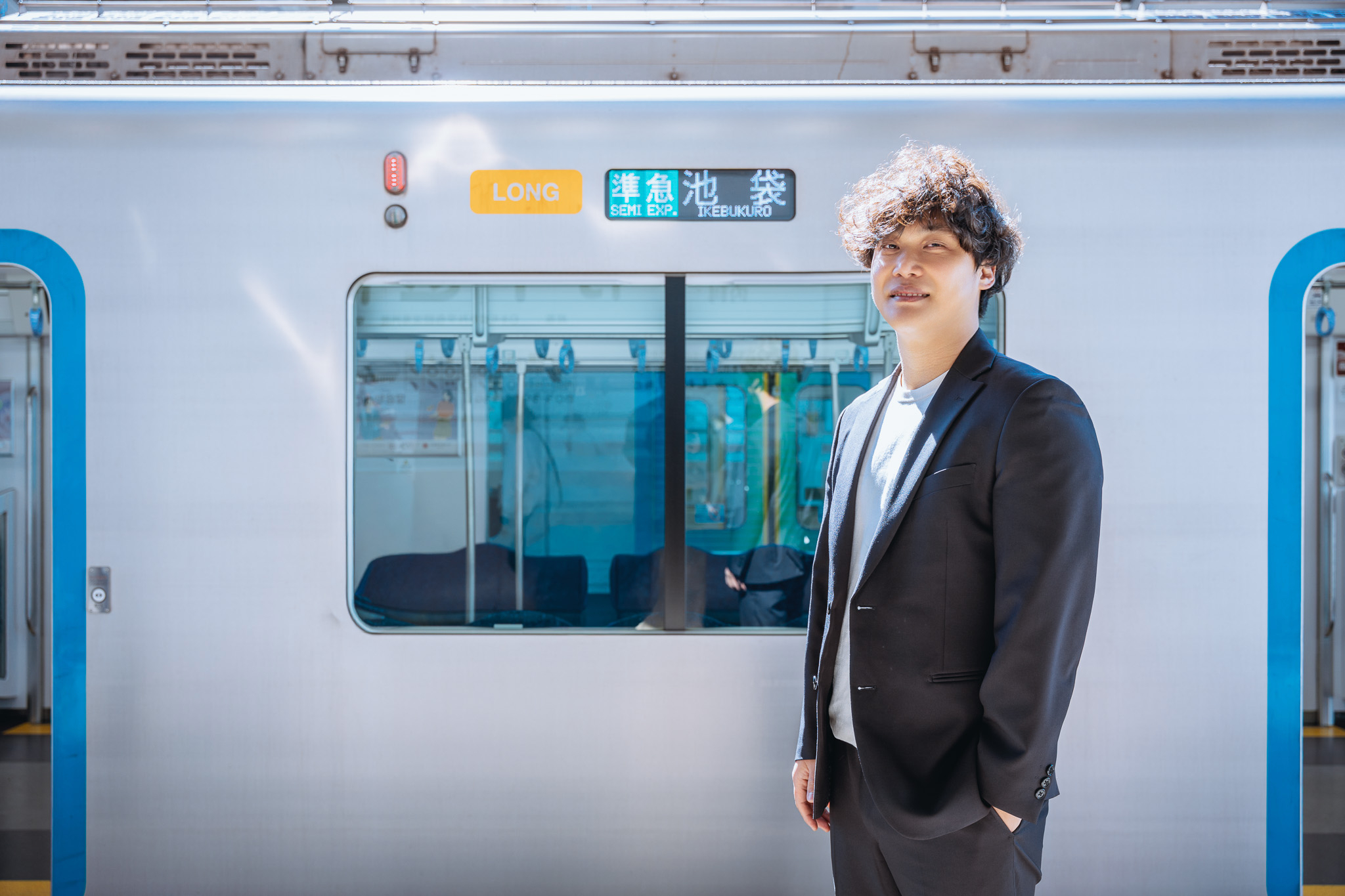
“The main reason is the overwhelming convenience of transportation. The Seibu Ikebukuro Line has very smooth direct service with the Tokyo Metro Yurakucho Line and Fukutoshin Line, making access to the city center excellent. What I particularly like is that I can travel comfortably and sit down from the neighboring Tokorozawa Station to the Shinjuku area (Seibu Shinjuku Station) by using the express and rapid trains. This ‘time to sit’ becomes precious time that I can use for reading or thinking, dramatically improving the quality of my daily life.
――What were the key selling points for you?
Akitsu Station is a major transfer hub for the JR Musashino Line (via Shin-Akitsu Station), so there’s a constant, lively flow of people. But the absolute clincher was finding a miracle of a property: a standalone house just a three-minute walk from the station. When you live that close, everything you need—clinics, convenience stores, restaurants, and banks—feels like an extension of your own backyard. Once you experience this level of convenience, it’s impossible to imagine living anywhere else.
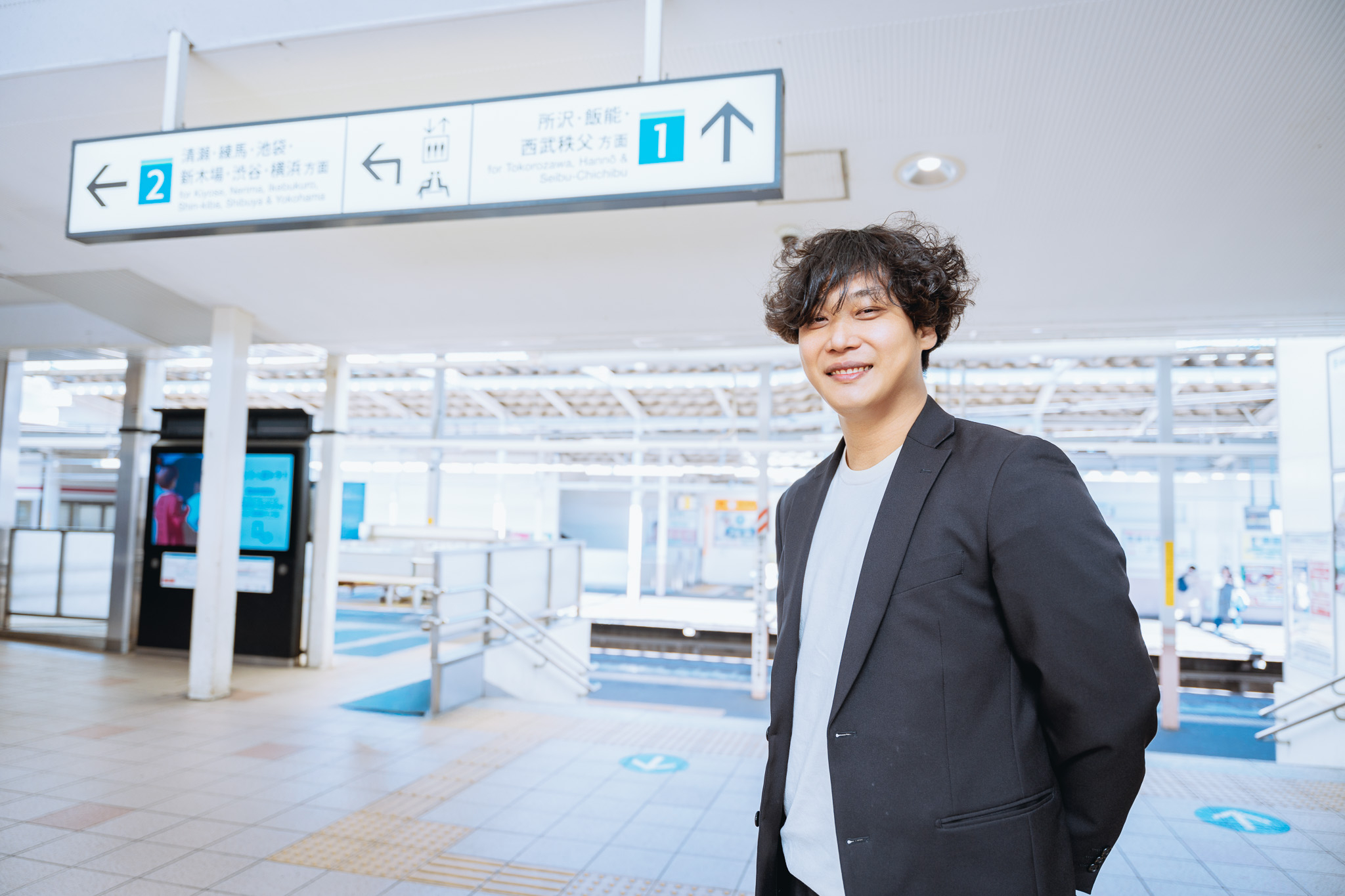
Living the Reality: “The Downsides of Vibrancy” and “The Barrier of Local Rules”
―― Now that you’re actually living in Akitsu, have you encountered any specific challenges?
“Akitsu is a massive hub with about 75,000 people passing through daily, so the area around the station is always buzzing. Because of that, getting around by car can be a bit tricky—the streets are narrow and often overflowing with pedestrians. Even my favorite local spots are usually packed, which I guess is a double-edged sword (laughs).
Also, I was initially caught off guard by the ‘local government rulebook’ that is so unique to Japan. When you move between wards or cities, everything—from the specific way you sort your trash to the procedures for public services—changes completely. You have to ‘uninstall’ what you thought was common sense at your old place and ‘reinstall’ the new local rules from scratch. That process took a bit of patience to get used to.”
The Highs and Lows of Parenting: Great Infrastructure vs. the Reality of Childcare Waitlists
――Could you give us your honest thoughts on raising a child in Japan?
“On the infrastructure side, it’s truly impressive. The roads are so well-maintained that pushing a stroller is completely stress-free. Whether you’re at a shopping mall or a train station, the nursing rooms and diaper-changing stations are always spotless. It’s clear the environment is designed to make it easy for fathers to stay active in parenting.
However, we’ve also hit a major wall. As a dual-income household, we are currently struggling with the lack of available daycare—the ‘waiting list’ (taiki jidou) crisis. For a family like ours trying to balance a career and child-rearing, this is the most significant and pressing obstacle we face. Every day, I find myself wishing for faster improvements to the system.”
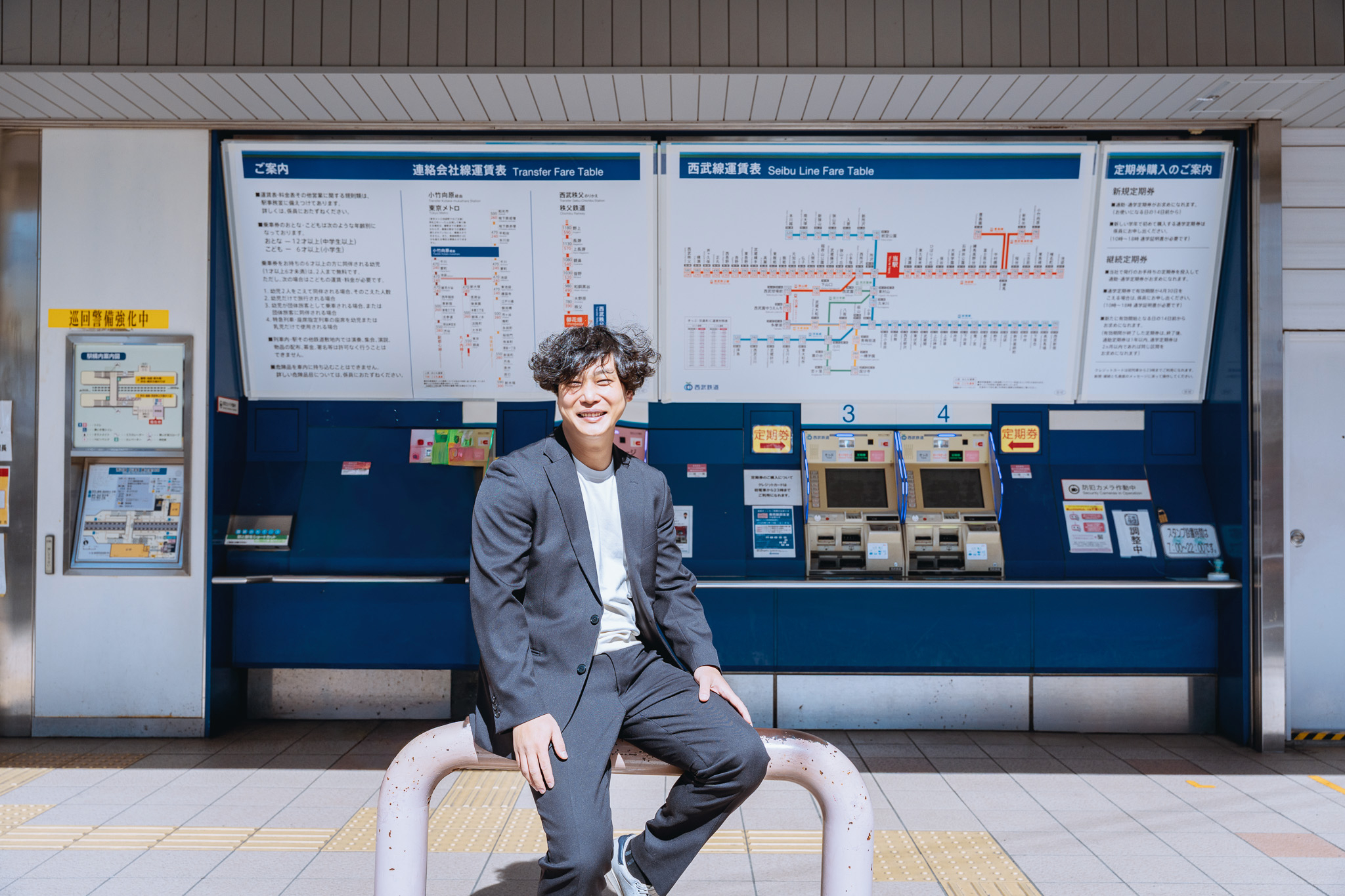
Bridging the Gap: Sports and “The Art of Using AI”
―― How do you stay connected with your local community?
I connect with people in the neighborhood through my hobby—sports. I’ve found that instead of trying to explain everything with words, breaking a sweat together and working toward the same goal naturally breaks down barriers. When you have a ‘universal language’ like sports, you can feel a deep sense of solidarity that transcends nationality.
―― Finally, do you have any advice for other international families striving to make it in Japan?
“For me, the key is turning informational ‘noise’ into a ‘signal.’ Local government information in Japan is provided with good intentions, but it’s incredibly dense and complex. Trying to decipher all of it yourself is impossible. What I do is feed the text from municipal websites into an AI and ask it to ‘create a prioritized checklist of the subsidies and procedures I specifically need.’
I have the AI organize everything from the broadest categories down. By efficiently extracting only the information that actually helps me, my anxiety disappears instantly. I want people to embrace these modern tools and turn them into allies—it makes navigating life and parenting in Japan a much more positive experience!”